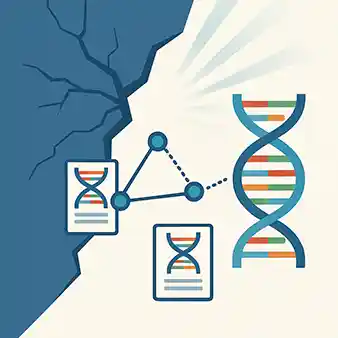
A solid DNA methodology is important for the many genealogists who rely on DNA evidence to answer difficult family history questions. Developing a sound DNA methodology is essential when working with results from multiple testing companies.
Each company uses different tools, reference data, and reporting formats. These differences can make it difficult to compare results directly or evaluate how much weight to give a particular match or segment. Genealogists often encounter uncertainty when trying to interpret findings across platforms.
Why a Consistent DNA Methodology Matters
Reliable DNA methodology helps researchers evaluate evidence carefully and avoid overinterpreting results. Strong conclusions depend on consistency, independent confirmation, and careful comparison with traditional documentary sources.
The project I am currently working on focuses on improving how genealogists think about reliability when using DNA from more than one testing environment. The goal is not to promote any specific tool or company, but to support careful evaluation and sound research practices.
DNA Methodology Research in Progress
This work is part of a formal research submission, so I am not sharing technical details, data, or findings at this time. However, the project explores patterns that may help researchers better understand how to assess DNA evidence when combining results from multiple sources.
Until the review process is complete, the emphasis remains on careful documentation, testing, and evaluation. Once the work has been formally reviewed, I will be able to discuss the approach and its practical implications in more detail.
Looking Ahead
Improving DNA methodology is an ongoing process. As testing databases grow and tools evolve, genealogists need clear standards for evaluating evidence and integrating DNA with traditional records.
For now, this project remains behind the scenes. I look forward to sharing more after the formal review process is complete and the work becomes publicly available.
Need Help Making Sense of Your DNA Results?
While this project remains under review, I continue to work with clients who need help interpreting their DNA results. Many genealogists face challenges such as scattered matches, unclear relationships, or uncertainty about how to combine DNA evidence with traditional records.
If you’re working through a brick wall, trying to identify an unknown ancestor, or simply want a clearer strategy for using your DNA, professional analysis can help you move forward with confidence.
I offer individualized DNA evaluation, research planning, and evidence-based analysis designed to support sound genealogical conclusions.
Learn more about DNA services or 👉 Contact me today to schedule your consultation.